Star Notes and Fancy Serial Numbers
Most valuable modern bills are not old. They are ordinary notes with an extraordinary serial number, and they pass through millions of hands unnoticed because nobody looks. A solid serial number on a current $1 bill can sell for several hundred dollars while the note next to it in the same stack is worth exactly one dollar.
This section covers every pattern collectors pay for, what each one is worth, and how to check a note in about five seconds. Start with star notes, which are the most common find, then work through the serial number patterns.
Star Notes
A star at the end of the serial number marks a replacement note. Learn what star notes are worth, which runs are scarce, and how to look yours up.
Fancy Serial Numbers
Solids, ladders, radars, repeaters, binaries, and low serials. Every collectible serial number pattern with what each one is actually worth.
Solid Serial Numbers
A solid serial has all eight digits identical. Only nine exist per print run, and they sell for $300 to $2,500 depending on grade and denomination.
Radar Serial Numbers
A radar serial reads the same forwards and backwards. Worth $25 to $300, with super radars and repeaters priced separately. How to spot one.
Low Serial Numbers
Bills with serials under 100 sell for $150 to $2,000. Under 1000 brings $50 to $300. Why the leading zeros matter and how to price yours.
Is My Bill Rare?
A five-step check that catches every valuable feature on a US bill: seal color, series, star, serial pattern, and printing errors.
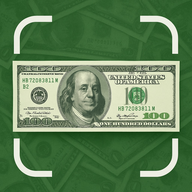
Scan any banknote with Money Scanner
Point your camera at a bill and get the series, type, rarity, and an estimated value range in seconds. No typing, no guessing at the series letter.
- Reads the series, seal type, and signatures from a photo
- Flags star notes and collectible serial number patterns
- Estimates a value range by condition
- Works on US and world banknotes