How to Tell If a Dollar Bill Is Real
Detecting a counterfeit does not require equipment. The features that are hardest to fake are the ones you can check with your hands and a window, and a genuine note passes all of them at once while a counterfeit typically fails several.
Modern notes have layered security features. Older notes have fewer, so verification relies more on paper and print quality. Both approaches are covered below.
Quick facts
- Paper
- Cotton and linen blend, never wood pulp
- Embedded fibers
- Red and blue threads inside the paper, not printed on it
- Intaglio printing
- Raised ink you can feel on the portrait and border
- Security thread
- Embedded strip, glows a specific color under UV
- Watermark
- Portrait visible from both sides when backlit
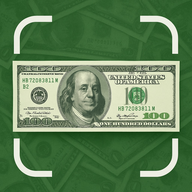
Scan any banknote with Money Scanner
Point your camera at a bill and get the series, type, rarity, and an estimated value range in seconds. No typing, no guessing at the series letter.
- Reads the series, seal type, and signatures from a photo
- Flags star notes and collectible serial number patterns
- Estimates a value range by condition
- Works on US and world banknotes


Start with feel
US currency paper is 75 percent cotton and 25 percent linen and does not feel like paper from a printer. It is stiffer, slightly rough, and has a distinctive sound when snapped. Most counterfeits fail here immediately.
Run a fingertip across the portrait and the border. Genuine notes are printed by intaglio press, which forces ink into the paper under enormous pressure and leaves it raised. Inkjet and laser counterfeits are flat.
Then hold it to a light
Look for red and blue fibers embedded in the paper. On genuine currency they sit inside the paper and cannot be picked at. Counterfeits often print small red and blue lines on the surface, which is obvious under magnification.
On notes from 1990 onward, look for the security thread: a thin vertical strip embedded in the paper, visible only when backlit, printed with the denomination. On notes from 1996 onward, look also for the watermark portrait in the blank area to the right, visible from both sides.
Modern features on current notes
Color-shifting ink in the lower right numeral changes from copper to green as you tilt the note. Microprinting appears around the portrait and along the border, readable under a loupe and blurred on counterfeits.
The $100 note adds a blue 3D security ribbon woven into the paper, with bells and 100s that appear to move as the note tilts, and a color-shifting bell in the inkwell.
Checking older notes
Notes before 1990 have no security thread and no watermark, so verification depends entirely on paper and print quality. The embedded fibers, the raised intaglio feel, and the sharpness of the engraved lines are your tests.
Examine the fine lines behind the portrait and in the border under magnification. Genuine engraving resolves into distinct clean lines. Counterfeits blur and merge there, because that level of detail is what reproduction cannot capture.
Before you do anything else
- Counterfeit detection pens only test for starch in wood pulp paper. A counterfeit printed on genuine bleached currency paper passes them.
- Compare against a note you know is genuine of the same denomination and series. Side by side, differences are obvious.
- Check the serial numbers for even spacing and consistent color. Counterfeits often get the alignment slightly wrong.
- Passing a counterfeit knowingly is a federal crime. If you believe you have one, turn it in rather than spending it.
Frequently asked questions
How can I tell if a $100 bill is real?
Feel for raised printing on the portrait, tilt the note to see the color-shifting numeral and bell, and hold it to a light for the watermark and the blue 3D security ribbon. A genuine note passes all four.
Do counterfeit detection pens work?
Only partially. They react to starch in ordinary wood pulp paper. A counterfeit printed on bleached genuine currency paper will pass the pen test, which is a known technique.
How do I check an old bill with no security thread?
Rely on paper feel, the embedded red and blue fibers, the raised intaglio printing, and the sharpness of the engraved detail under magnification. Those are the features counterfeiters have always struggled with.
What should I do if I have a counterfeit note?
Do not spend it. Hand it to your bank or a local law enforcement office. Knowingly passing counterfeit currency is a federal offense.